
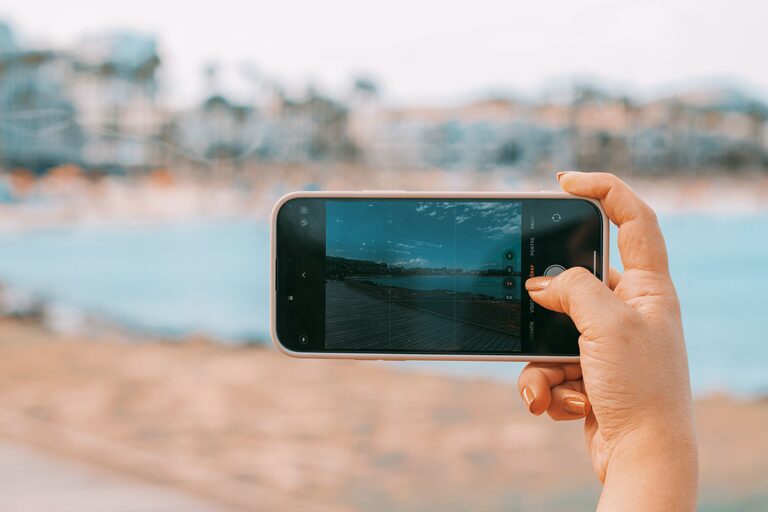
Taking beautiful photos with your phone can be both fun and rewarding. Modern smartphones come equipped with powerful cameras, but getting the best out of them requires a little knowledge and practice. Whether you’re snapping pictures of friends, landscapes, or everyday moments, these beginner tips will help you improve your phone photography skills and capture images you’ll be proud to share.
Understanding Your Phone Camera
Before diving into tips, take some time to explore your phone’s camera app. Most smartphones offer multiple modes and settings such as portrait, panorama, and manual controls. Familiarising yourself with these features is the first step toward better photos.
– Camera modes: Try out different modes to see which suits your subject.
– Settings: Adjust resolution and gridlines in the settings to aid composition.
– Lens options: If your phone has multiple lenses (wide, ultra-wide, telephoto), experiment to understand when to use each.
Master the Basics of Composition
Good composition helps create striking images. Here are some foundational rules to keep in mind:
Use the Rule of Thirds
Enable the gridlines in your camera settings to divide your viewfinder into thirds, both horizontally and vertically. Position important elements along these lines or at their intersections. This technique helps balance your photos and makes them more engaging.
Focus on Your Subject
Tap the screen where your main subject is located to ensure it’s sharp. Most phones allow you to lock the focus and exposure by holding down on the screen after tapping, which is useful for tricky lighting.
Keep It Simple
Too many elements can distract from your subject. Try to keep backgrounds clean and uncluttered, allowing the main subject to stand out.
Lighting Matters
Lighting is a key factor in photography. Even the best camera struggles in poor light, so understanding how to use light is crucial.
– Natural Light: Try to take photos in soft, natural light, such as early morning or late afternoon. Avoid harsh midday sun, which can cause strong shadows.
– Backlighting: Shooting towards a light source can create silhouettes but can also make your subject dark. Experiment with angles to find the best effect.
– Artificial Light: Indoors, use available light sources like lamps, but avoid the harshness of overhead lights or camera flashes.
Steady Your Shots
Camera shake leads to blurry photos. To reduce this:
– Hold your phone with both hands for stability.
– Tuck your elbows close to your body.
– Lean against a steady surface if possible.
– Consider using a small tripod or phone stand for extra stability.
Explore Angles and Perspectives
Don’t just shoot at eye level. Changing your angle can add interest and variety:
– High angle: Shoot from above for a unique view.
– Low angle: Shooting upwards can make subjects look larger or more dramatic.
– Close-ups: Move closer to capture details and textures.
– Wide shots: Use ultra-wide lenses or step back to fit more into the frame.
Use Phone Camera Features Wisely
Smartphone cameras offer helpful tools that can enhance your photos:
– HDR (High Dynamic Range): Helps balance bright and dark areas, especially in challenging lighting.
– Portrait mode: Blurs backgrounds to focus on the subject, great for people or objects.
– Night mode: Improves low-light photos but requires a steady hand.
– Zoom: Avoid digital zoom when possible, as it reduces quality. Instead, physically move closer or crop later.
Edit Your Photos
Editing can lift an average photo to something special. Many phones have built-in editors with tools to adjust brightness, contrast, and saturation.
Basic Editing Tips
– Crop to improve framing.
– Adjust exposure to brighten or darken.
– Increase contrast slightly to add depth.
– Straighten horizons.
– Avoid over-editing to maintain natural looks.
If you want to explore more advanced editing, apps like Snapseed or Lightroom Mobile offer user-friendly options for beginners.
Practice Regularly
Like any skill, photography improves with practice. Try to take photos every day, experiment with different subjects and techniques, and review your results critically. Over time, you’ll recognise what works and develop your own style.
Final Thoughts
Great phone photos don’t always need expensive gear or complicated techniques – your creativity and an understanding of basic principles go a long way. By mastering your camera’s features, paying attention to composition and light, and practising regularly, you’ll soon capture images that truly stand out.
Remember, the best camera is the one you have with you, and your phone fits that description perfectly. Happy snapping!