
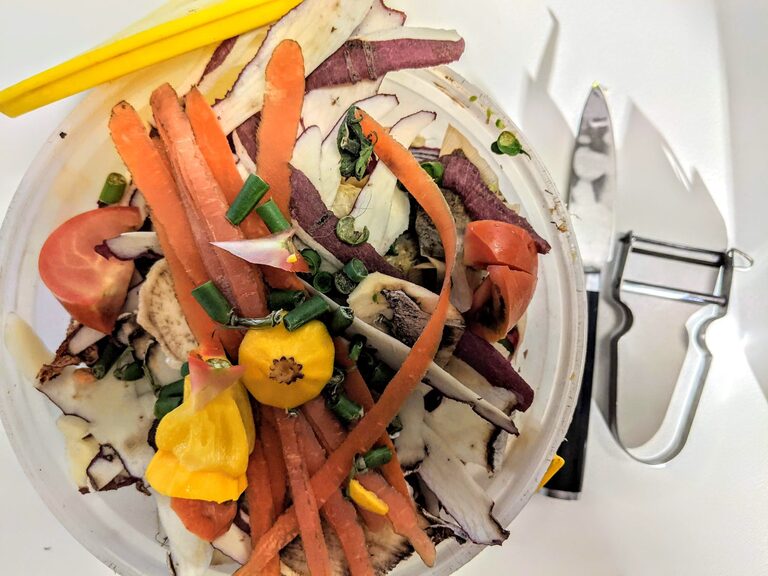
Reducing food waste at home is an important step towards saving money and protecting the environment. Across the UK, households throw away millions of tonnes of edible food each year, which contributes to unnecessary greenhouse gas emissions and wastes resources. Fortunately, with a little planning and awareness, it’s possible to make significant changes to how you shop, store, and cook food. Here are some practical ways you can reduce food waste in your home.
Understanding the Impact of Food Waste
Food waste is more than just an inconvenience — it has broad environmental and economic consequences. Producing food requires water, energy, land, and labour, so wasting food means wasting these valuable resources. When food ends up in landfill, it produces methane, a potent greenhouse gas. By cutting down on food waste, you help lower your carbon footprint and save money on groceries.
Plan Your Meals and Shopping
Make a Weekly Meal Plan
One of the easiest ways to reduce food waste is by planning meals ahead. A weekly plan helps you decide exactly what ingredients you need, so you’re less likely to buy items that go unused. Consider meals you already know you enjoy and check what’s left in your fridge and cupboards before shopping.
Write a Shopping List and Stick to It
Impulse buys often lead to over-purchasing and food waste. Before heading to the shops, make a detailed list based on your meal plan and stick to it. Avoid shopping when you’re hungry or rushed, as this can cause you to buy more than necessary.
Buy Smaller Quantities More Often
If possible, try buying smaller amounts of fresh produce more regularly instead of large quantities all at once. This reduces the chance of food spoiling before you can use it.
Store Food Correctly
Understand How to Store Different Foods
Proper storage can extend the life of your food. For example, some fruits like apples and bananas release ethylene gas that speeds up ripening, so keep them separate from vegetables like carrots or lettuce. Use airtight containers to keep leftovers fresh.
Use Clear Containers and Label Foods
Transfer leftovers or opened products into clear containers so you can easily see what you have. Labelling containers with dates will help you use food within a safe period and avoid forgetting items in the back of the fridge.
Keep Your Fridge Organized
Try to maintain an organised fridge by grouping similar items and keeping older foods at the front so they get used first.
Use Leftovers Creatively
Repurpose Leftover Ingredients
Instead of throwing away leftover vegetables or cooked food, consider incorporating these into new meals such as soups, stews, stir-fries, or omelettes. This reduces waste and can add variety to your diet.
Freeze Surplus Cooked Meals
If you’ve cooked too much, freeze portions for later. Label containers with the contents and date to keep track.
Make Stock from Leftover Vegetables and Bones
Save vegetable peelings, stalks, and bones (from meat or fish) in the freezer. When you have enough, make a homemade stock that can be used as a base for soups or sauces.
Use Portion Control
Serve Smaller Portions First
Start with smaller servings to avoid plate waste. You can always go back for seconds if you’re still hungry.
Use Measuring Tools
Measure pasta, rice, or cereal portions according to package recommendations rather than eyeballing it. This helps prevent cooking more than necessary.
Composting Food Scraps
Compost Fruit and Vegetable Scraps
Not all food waste can be prevented, but instead of throwing scraps in the bin, consider composting them. Composting turns organic waste into nutrient-rich soil for gardens.
Avoid Composting Meat or Dairy
These can attract pests when composted at home, so it’s best to avoid adding them unless you have the right composting system.
Check and Understand Food Labels
Use 'Best Before' and 'Use By' Dates Properly
‘Best before’ dates indicate quality rather than safety. Many foods are still safe to eat after this date. ‘Use by’ dates refer to safety and should be followed carefully.
Smell, Look, and Taste Tests
Check if food smells or looks off before discarding it, rather than relying solely on the date.
Donate Excess Food
If you have non-perishable food items you won’t use, consider donating them to local food banks or charities, helping those in need while preventing waste.
—
By adopting these simple strategies, you can make a big difference in reducing food waste at home. Not only will this save money, but you’ll also contribute to protecting the environment for future generations. Start small, stay consistent, and enjoy the benefits of less waste and more mindful eating.