
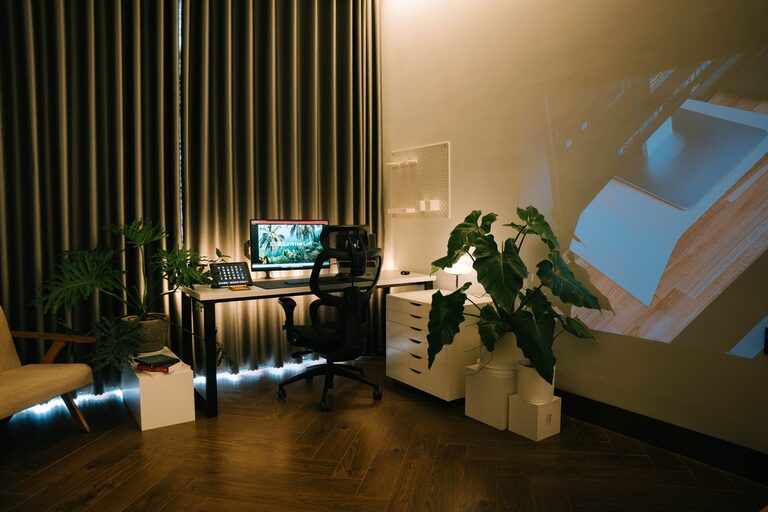
Creating a relaxing home workspace is essential for maintaining focus, productivity, and wellbeing while working from home. When your workspace feels comfortable and organised, it’s easier to stay motivated and reduce stress. Whether you have a dedicated room or a small corner, simple changes can transform your work area into a peaceful and inspiring environment.
In this guide, we’ll explore practical ways to design a relaxing home workspace that encourages concentration and helps you enjoy your workday.
Choose the Right Location
The first step in creating a relaxing workspace is selecting the best spot in your home. Consider these factors:
– Natural Light: Choose a place near a window if possible. Natural light improves mood and reduces eye strain.
– Quiet Environment: Pick a quieter area away from household noise and distractions.
– Space Availability: Ensure there is enough room for your desk, chair, and any equipment you need.
– Privacy: If your work requires calls or video meetings, a private area helps you focus and communicate without interruptions.
If your space is limited, try to designate a specific corner or use room dividers to separate your workspace visually.
Invest in Comfortable Furniture
Comfort plays a big role in keeping you relaxed and productive.
Desk
Select a desk that fits your space and work needs. It should be large enough for your computer, notes, and any accessories. Adjustable desks or standing desks offer flexibility and encourage movement during the day.
Chair
A good ergonomic chair supports your posture and prevents back pain. Look for adjustable height, lumbar support, and cushioned seating. If an ergonomic chair is not an option, use cushions or back supports to improve comfort.
Organise Your Workspace
Clutter can cause stress and reduce focus. Keeping your workspace organised helps maintain a calm atmosphere.
– Declutter Regularly: Remove items you don’t need daily.
– Storage Solutions: Use shelves, drawers, or boxes to keep supplies tidy.
– Cable Management: Organise cords with clips or sleeves to avoid tangling.
– Minimal Decor: Choose a few meaningful items or plants to personalise your space without overcrowding.
Optimise Lighting
Good lighting reduces eye strain and sets a relaxing mood.
– Natural Light: Maximise daylight by positioning your desk near a window.
– Task Lighting: Use a desk lamp with adjustable brightness to illuminate your work area.
– Warm Lighting: Choose bulbs with a warm colour temperature to create a cosy atmosphere.
Avoid harsh overhead lights or glare on your screen by adjusting blinds or using lampshades.
Personalise Your Space
Adding personal touches makes your workspace feel inviting and inspiring.
– Plants: Indoor plants improve air quality and add a touch of nature, promoting calmness.
– Artwork: Hang pictures or prints that motivate you or make you happy.
– Aromatherapy: Consider subtle scents like lavender or eucalyptus using candles or diffusers to support relaxation.
– Comfort Items: A soft blanket, cushion, or favourite mug can make your workspace more cosy.
Manage Noise Levels
Noise distractions can break your concentration. Here are some ways to manage sound:
– Noise-cancelling Headphones: Great for blocking out background noise.
– White Noise Machines: Use sounds like rain, waves, or gentle static to mask distractions.
– Soft Furnishings: Rugs, curtains, and cushions absorb sound and reduce echo.
– Quiet Hours: Communicate with family or housemates about your work schedule to minimise interruptions.
Incorporate Break Areas
A relaxing workspace isn’t just about where you work, but also where you rest.
– Separate Break Area: If possible, have a different spot for lunch or short breaks.
– Stretch Space: Leave room for light stretching to relieve tension.
– Hydration: Keep water nearby and take regular sips to stay refreshed.
Taking regular, mindful breaks helps reduce fatigue and maintain relaxation.
Set Boundaries and Routines
Creating mental boundaries between work and home life contributes to a stress-free workspace.
– Defined Work Hours: Keep consistent start and finish times.
– Clear Workspace Use: Use your workspace only for work to build a routine.
– End-of-Day Ritual: Tidy your desk and switch off work devices to signal the end of the day.
These habits encourage a healthy balance and help your brain associate your workspace with focused work.
Final Thoughts
Designing a relaxing home workspace is a valuable investment in your productivity and wellbeing. By choosing a good location, investing in comfortable furniture, organising thoughtfully, and adding personal touches, you can create an environment that supports focus and reduces stress.
Remember, your workspace should feel inviting and practical, reflecting your needs and preferences. Take time to experiment with different arrangements and elements until you find the perfect balance for your home office.
A calm and comfortable workspace is just a few steps away—start creating yours today!