
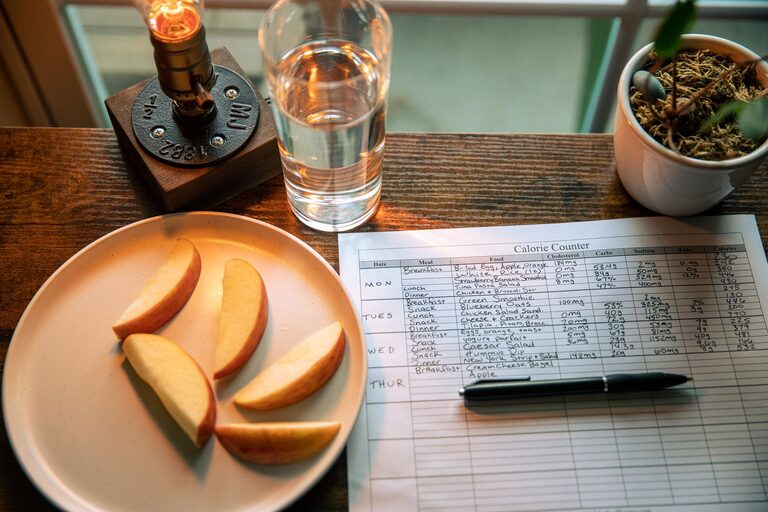
Planning balanced meals can sometimes feel like a daunting task, especially when life gets busy. However, creating nutritious and satisfying meals doesn’t have to be stressful. With a little preparation and some straightforward strategies, you can enjoy healthy eating that fits your lifestyle. This guide will walk you through practical steps to plan balanced meals effortlessly, helping you save time, money, and energy.
What is a Balanced Meal?
Before diving into the planning process, it’s important to understand what a balanced meal looks like. Simply put, a balanced meal includes a variety of food groups to provide essential nutrients your body needs.
– Proteins: Such as lean meats, fish, beans, lentils, eggs, or tofu
– Carbohydrates: Preferably whole grains like brown rice, whole wheat bread, or oats
– Fruits and Vegetables: A colourful variety to supply vitamins, minerals, and fibre
– Fats: Healthy fats from sources like olive oil, nuts, seeds, or avocado
A balanced meal combines these components in appropriate portions to keep your energy levels steady and support overall health.
Steps to Plan Balanced Meals Without Stress
1. Start with a Simple Meal Framework
Having a basic template can take the guesswork out of meal planning. For example:
– Half your plate: Vegetables and/or fruit
– One quarter: Protein source
– One quarter: Whole grains or starchy vegetables
– A small amount of healthy fats
This framework is flexible and can be applied to any cuisine or preference.
2. Create a Weekly Meal Plan
Dedicate a little time each week to plan your meals:
– Choose your meals for each day (including breakfast, lunch, dinner, and snacks)
– Use your simple meal framework as a guide
– Consider your schedule: Plan easier meals on busy days and more involved ones when you have time
Writing down your plan helps you stay organised and reduces last-minute decisions.
3. Make a Shopping List
Based on your meal plan, write a detailed shopping list. Group items by category (produce, dairy, pantry staples) to make your shop quicker and more efficient.
4. Batch Cook and Prepare Ingredients
Batch cooking saves time and reduces stress during the week. Consider:
– Cooking large portions of grains or proteins to use in multiple meals
– Pre-chopping vegetables and storing them in the fridge
– Making sauces or dressings in advance
Having prepared ingredients means you can assemble meals quickly.
5. Keep Healthy Staples at Hand
Stock your kitchen with versatile, healthy staples such as:
– Canned beans and lentils
– Frozen vegetables and fruits
– Wholegrain pasta and rice
– Nuts and seeds
– Herbs and spices for flavour
These items help you whip up balanced meals even when fresh produce is low.
6. Utilise Leftovers Creatively
Leftovers can be transformed into new dishes. For example:
– Roast chicken one night, use the leftovers in a salad or sandwich the next day
– Extra cooked vegetables can be added to soups, omelettes, or stir-fries
This reduces food waste and saves cooking time.
7. Listen to Your Appetite and Preferences
Meal planning should be flexible. If you’re not hungry for a planned meal or fancy something else, it’s okay to adapt. The goal is balance over time, not perfection in every meal.
Tips for Stress-Free Meal Planning
– Keep meals simple: You don’t need elaborate recipes to eat well
– Use one-pot or sheet-pan recipes: These save washing up and time
– Involve your family: Let everyone help choose meals or prepare food
– Don’t be afraid of convenience: Pre-washed salad leaves or ready-cooked grains can be helpful
– Rotate favourite meals: Having go-to recipes means less thinking required
Sample Balanced Meal Ideas
Here are a few quick ideas to get you started:
– Breakfast: Porridge with fresh berries, a handful of nuts, and a drizzle of honey
– Lunch: Wholegrain wrap with grilled chicken, mixed salad leaves, avocado, and a yoghurt dressing
– Dinner: Baked salmon, quinoa, and steamed broccoli with a lemon-tahini sauce
– Snack: Apple slices with peanut butter or a small pot of natural yoghurt with seeds
Final Thoughts
Planning balanced meals doesn’t have to be a source of stress. By establishing a simple framework, preparing ahead, and keeping things flexible, you can enjoy wholesome meals that fuel your body and fit your routine. Start small, build your confidence, and soon meal planning will feel like second nature!
Remember, the key is consistency, not perfection. With these tips, you’ll be on your way to a healthier and more organised eating routine in no time.